Start with Hartford's actual facade materials and deposits
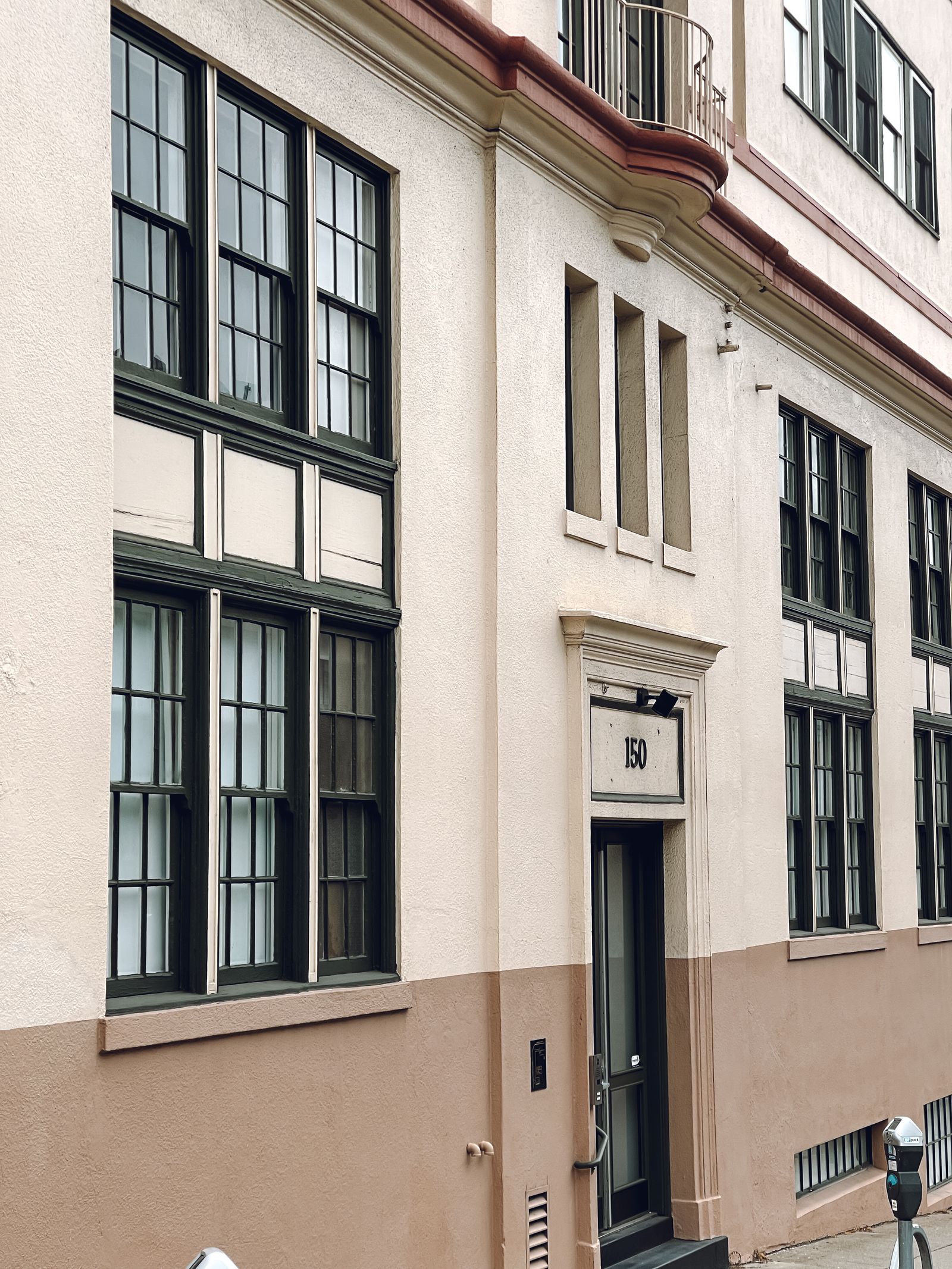
Hartford commercial properties often combine brick, aging mortar, limestone or other stone, concrete, precast panels, EIFS, stucco, painted surfaces, metal trim, glass, tile, and repaired sections. A downtown office may have curtain wall, plaza pavers, loading doors, and recessed entries. A hospital or medical office may add canopies, rooftop equipment, emergency access, sensitive air intakes, and tight pedestrian routes. A hotel near downtown or the riverfront may have guest-facing glass, awnings, balconies, porte-cocheres, and areas where appearance matters at arrival time. A suburban insurance or education campus may have broad elevations, landscaped setbacks, sidewalks, and multiple building ages.
Soft washing may fit compatible biological growth and atmospheric soil after the surface is identified and tested. Lower pressure can reduce mechanical impact, but it does not remove risks from chemistry, dwell time, temperature, wind, overspray, or water entering failed joints. Dark streaks may instead be oxidation, hard-water mineral, road film, exhaust, salt, roof runoff, or coating failure. The field review should define the intended improvement and separate routine cleaning from repointing, spalling repair, leak investigation, coating replacement, window restoration, or historic masonry work. A test area is useful when brick color, mortar condition, or prior repairs vary across the elevation.
- Separate brick, mortar, stone, concrete, EIFS, glass, metal, painted, and coated zones.
- Distinguish algae, mildew, pollen, bird residue, soot, salt, mineral scale, oxidation, and runoff.
- Set the expected visual improvement before deciding on chemistry, dwell, rinse, or access.
- Keep masonry repairs, failed coatings, leaks, and specialty restoration outside routine washing.
Respect Hartford's civic, historic, and riverfront buildings
Properties around Downtown Hartford, Asylum Hill, Frog Hollow, the Capitol area, and the riverfront can include older masonry, decorative stone, storefronts, cornices, recessed windows, narrow sidewalks, signs, and several generations of repairs. A cleaning method that works on a newer concrete panel may be wrong for weathered mortar or a historic stone detail. The scope should document fragile zones, identify a test area where needed, and state how overspray, rinse water, pedestrian separation, and adjacent facades will be controlled.
Cleaning cannot correct open joints, unstable trim, spalling, rising moisture, failed flashing, or a leaking roof edge. If those conditions are visible, the proposal should call them out rather than imply that washing will resolve them. A smaller test, hand detail, lower-volume rinse, or preservation-oriented specialist may be appropriate for part of the building. Clear exclusions help an owner approve a useful appearance and maintenance project without turning it into an unplanned restoration contract.
Schedule around insurance, healthcare, education, and hospitality
Hartford's working identity shapes the cleaning plan. Insurance and financial offices may have employee arrival peaks, visitor screening, security requirements, loading schedules, and polished entrances. Hartford Hospital, Saint Francis Hospital, Connecticut Children's, and nearby medical offices may need uninterrupted patient, ambulance, accessible, and staff routes. Trinity College, the University of Hartford, and area schools add classes, events, deliveries, student movement, and public safety coordination. Hotels, convention facilities, restaurants, and riverfront venues have guest arrivals, conference traffic, outdoor seating, and housekeeping windows that can change by day.
Before work begins, we ask about building hours, patient and guest peaks, events, deliveries, valet, security, air intakes, sensitive rooms, outdoor seating, accessible paths, and the person authorized to pause the job. A medical property may require isolated staging and a clean handback before a shift change. An office tower may phase the principal entrance away from employee arrivals. A campus may use a building-by-building sequence. The proposal should identify barriers, communications, stop conditions, work zones, and closeout expectations so the property can keep operating while the facade is addressed.
Build the schedule around Connecticut weather and freeze-thaw
Hartford's cold winters, snow, spring rain, summer humidity, pollen, leaf debris, and freeze-thaw cycles affect both staining and timing. Deicing residue collects around lower walls, garage ramps, curb lines, loading docks, entrances, and parking structures. Shaded walls may stay damp while exposed upper elevations show rain streaks, airborne soil, or bird residue. Snow storage can hide deposits and keep a lower facade wet. A recurring maintenance plan should follow the property's exposure, materials, occupancy, and appearance standard rather than promise one universal interval.
Rain, thunderstorms, lightning, gusts, fog, ice, freezing temperatures, and slick public routes can affect spray control, drying, aerial stability, hose handling, and runoff. Cold masonry can change dwell behavior and leave water in vulnerable joints. The crew may need to divide the work into smaller sections, check weather before each elevation, protect entries, and perform a dry inspection after conditions stabilize. Work should pause when wind, lightning, precipitation, visibility, temperature, or pedestrian conditions no longer support the plan. Remaining deposits or repair needs should be documented in closeout notes.
Use aerial assistance only where the Hartford site supports it
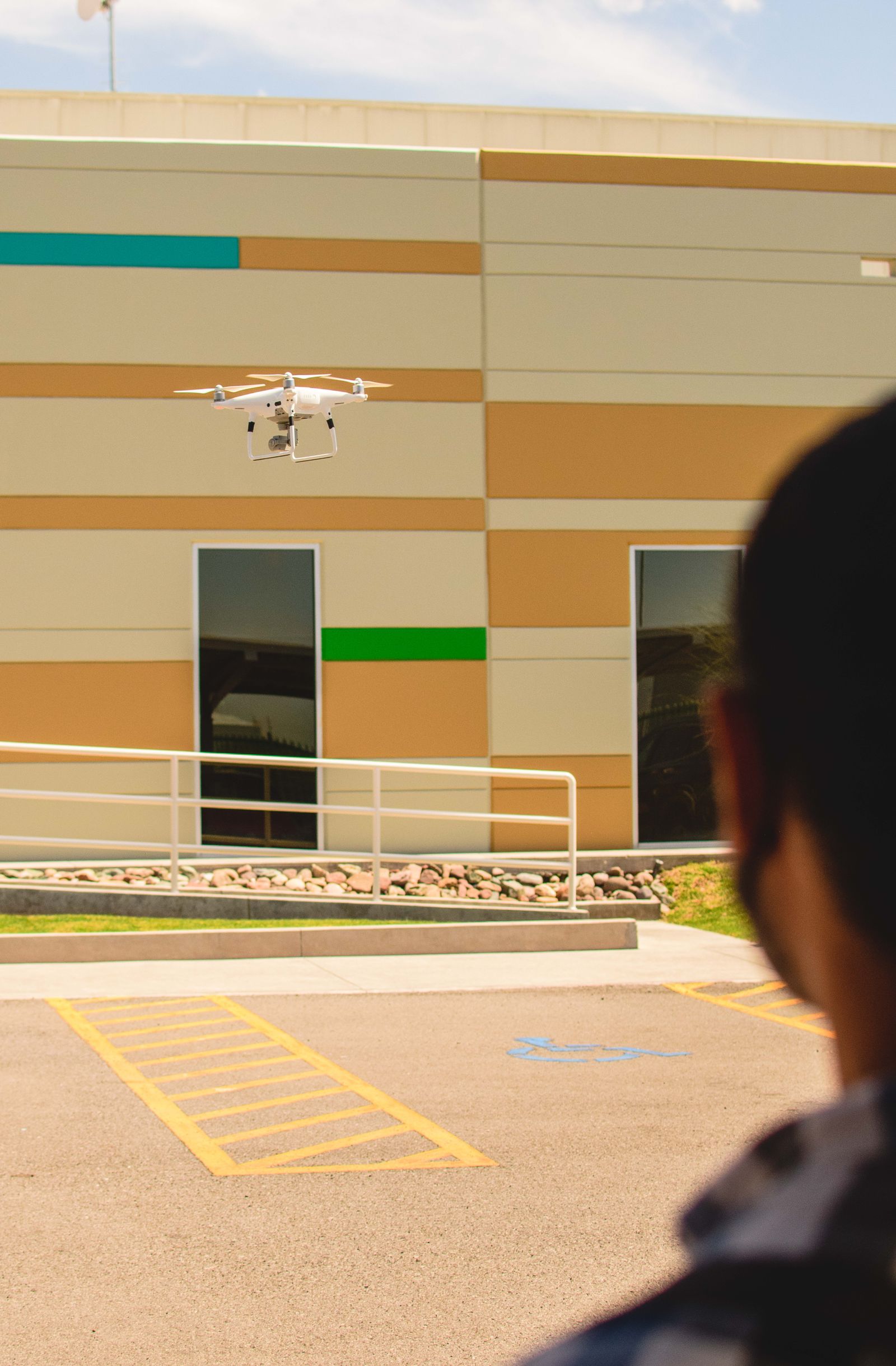
Drone-assisted wetting or rinsing may support selected upper walls, parapets, ledges, and broad facade zones when wind, stand-off distance, line of sight, airspace, launch and recovery space, water supply, and ground controls are workable. It is one access option, not a guarantee that every Hartford elevation can be handled from the air. Downtown streets, overhead wires, cranes, trees, signs, active sidewalks, adjacent properties, public events, rooftop equipment, and hospital aviation activity can make one elevation feasible and another unsuitable. Windows, entries, awnings, cornices, balconies, and detailed trim may still need poles, lifts, or hand work.
Hartford's highways, rail activity, government area, medical facilities, utility corridors, and event venues can affect an aerial plan. Commercial drone operations must follow applicable Federal Aviation Administration requirements and obtain any needed authorization; property permission does not replace aviation rules. The quote should identify proposed aerial zones, spotters, communications, emergency stop procedures, public separation, and the alternate method if wind, airspace, traffic, or finish requirements change. A hybrid plan is often the practical choice for a complex office, hospital, hotel, or campus.
Plan water, drainage, and ground protection before washing
Hartford sites may include basement entries, sunken loading areas, garage ramps, planted courtyards, catch basins, public sidewalks, parking decks, river-adjacent paths, and low points where water can collect. Before applying chemistry or rinse water, map drains, doors, air intakes, landscaping, vehicles, outdoor seating, cameras, emergency routes, neighboring property lines, and hose crossings. Confirm water access, barriers, staging, and who can stop the job if flow, pedestrian movement, or weather changes.
Water-management controls depend on the product, soil removed, rinse volume, slope, drainage, and property requirements. They may include plant protection, diversion, collection, recovery, filtration, reduced rinse volume, or coordination with the responsible authority. A visible catch basin is not automatic permission to discharge wash water. The closeout should leave sidewalks and entrances safe, document completed elevations, note remaining deposits or repairs, and explain any changes to the approved sequence. Facilities teams need a useful record tied to the actual property.
- Locate drains, low points, basement doors, landscaping, air intakes, vehicles, and loading areas.
- Keep patient, guest, employee, student, accessible, emergency, and delivery routes usable.
- State water-management controls and the stop condition if runoff or weather changes.
- Photograph completed zones and record remaining deposits, repairs, or specialty-detail needs.
Request a Hartford quote tied to the property
A useful Hartford commercial soft-washing proposal should identify service zones, materials, visible soil, access by elevation, weather limits, water assumptions, operating windows, intended finish, protections, exclusions, and closeout documentation. It should separate broad facade washing from high-detail windows, hard-water or salt residue, soot, oxidation, canopies, roofline details, and masonry repairs. If drone assistance is proposed, the scope should explain where it is expected to help and what backup method applies if wind, airspace, public movement, or finish requirements change.
Send the Hartford address, wide and close photos, approximate height, priority elevations, known materials, visible deposits, preferred dates, water access, drainage concerns, and restrictions involving patients, guests, employees, students, tenants, events, deliveries, traffic, security, or historic details. Those details help determine whether a remote review, site visit, test area, or hybrid access plan should come next. We can quote a one-time appearance improvement, phased campus or hotel cleaning, or recurring exterior maintenance. Call +1 239-351-2897, email contact@dronebuildingcleaners.com, or use the quote form to get started.