Property Team Insight - Hartford, CT

What Property Managers Should Ask About Commercial Wash Water

Exterior cleaning should account for water access, drainage, landscaping, storm drains, chemistry, and the site’s applicable environmental requirements before the first rinse begins. For Hartford property managers and building engineers, the first step is a property-specific review of surfaces, access, water, drainage, traffic, weather, and the finish the building needs.

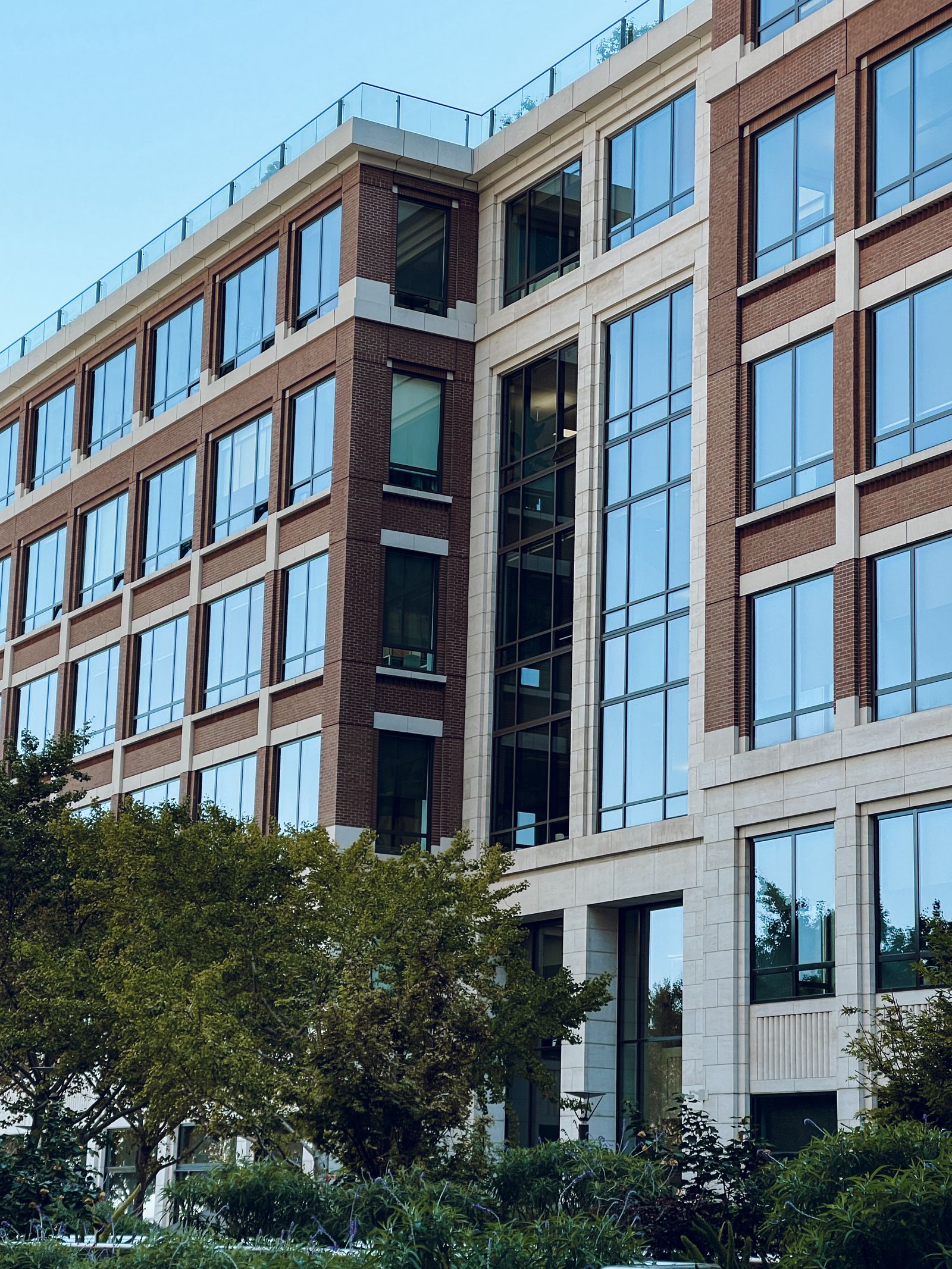
Modern commercial property with glass and masonry facade surfaces
Mixed commercial facades need surface-specific chemistry, pressure, and finish expectations.
Hartford Building Care

Review the drainage path

The site assessment should identify nearby drains, landscaped areas, public walkways, loading zones, and other places where wash water could travel.

Hartford Building Care

Match method to surface

Chemistry, dwell time, pressure, rinse volume, and containment needs vary by brick, EIFS, stucco, glass, metal, coatings, and roofline materials.

Hartford Building Care

Keep the record

A documented plan makes it easier for facilities teams to understand what was cleaned, what controls were used, and what follow-up is recommended.

Local Planning Lens

Plan around weather, traffic, and facade condition.

Commercial exteriors in the Northeast can move through pollen, rain, freeze-thaw cycles, and winter residue in the same maintenance year. The site review should connect the desired finish to temperature, access, and the property calendar.

  • Check temperature, wind, and freeze risk before selecting a wash window.
  • Review salt or winter residue around entrances, loading zones, and lower elevations.
  • Coordinate tenant, pedestrian, and parking controls for tighter urban or campus sites.
Next Step

Turn the question into a property-specific scope.

The guide is a starting point. Surface, access, traffic, weather, water, and the required finish determine the right next step for the building.